The black eye of the real estate industry has long been redlining, a discriminatory and racist practice that occurred in the 1930s in cities throughout the United States. The most heinous part is that nearly 100 years later, the effects of these practices are still being felt in Columbus and other cities around the country.
Redlining is the practice of denying loans or services to an area based in some part on its racial and ethnic composition. By the time it was made illegal, those racial structures and practices had become fully integrated into society to the point where many in the industry weren’t aware of the preexisting bias they held.
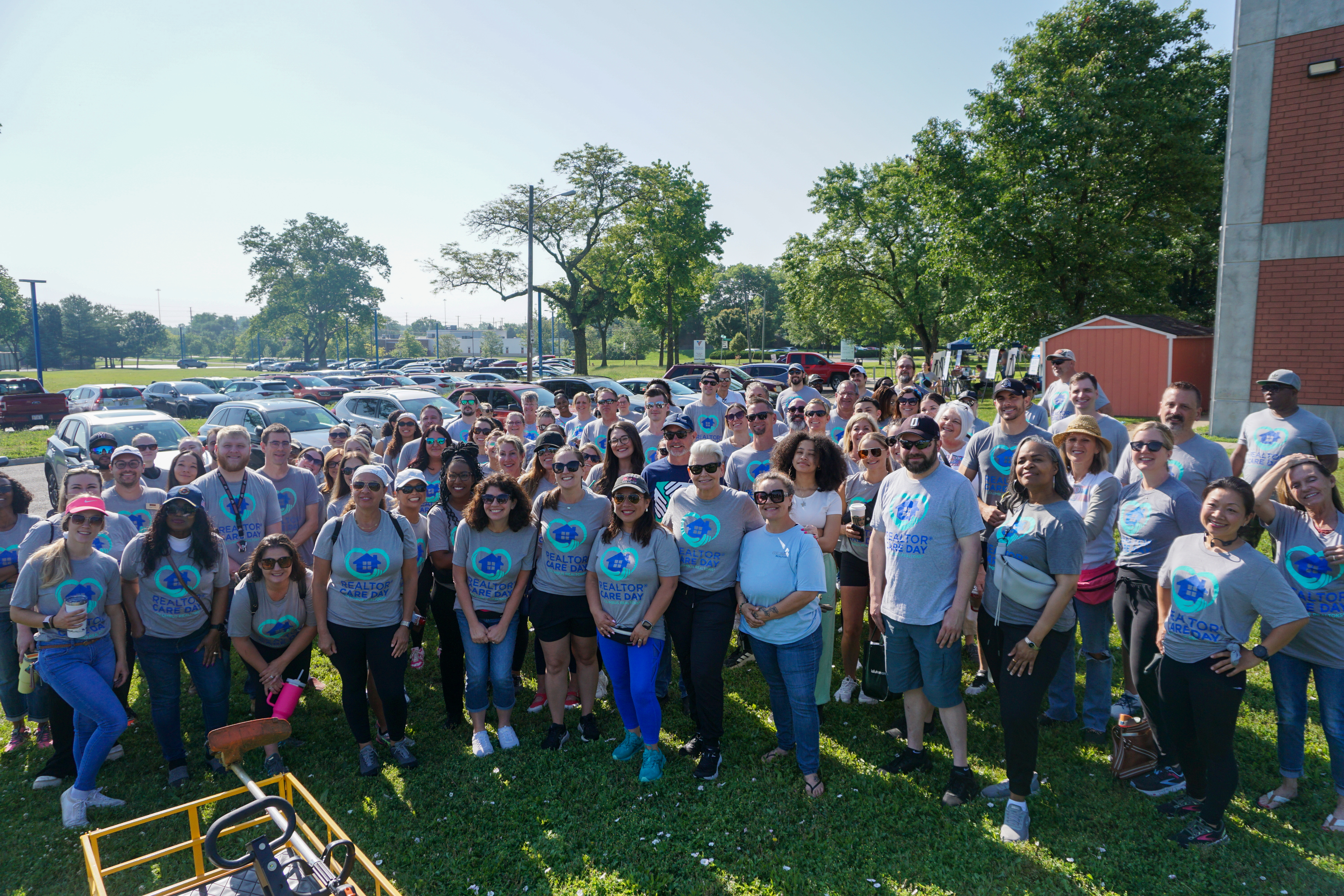
On March 8, members of the Columbus REALTORS® Young Professionals Network and Diversity, Equity & Inclusion committees were invited to a special showing of the Un-design the Redline” exhibit at the Columbus Metropolitan Library.
“It’s something that we learn about when we go through Hondros or our real estate classes, so it’s really helpful to see it all laid out for us and it’s very shocking,” said Christy Srey, YPN co-chair. “As realtors, we’re showing homes in a lot of these areas that were redlined back in the 1930s, so coming here today really puts it all into perspective.”
Redlining has the capability to regulate who builds wealth through homeownership as well as who has access to certain neighborhoods – making what the exhibit says “race synonymous with property values.” Beyond controlling where people can live, redlining can also determine how people live through mass incarceration, predatory banking, and block busting.
According to MORPC data, the region’s population could exceed three million residents by 2050, so the time for change is now.
“We need to make sure that those who are coming in are able to live anywhere that they want to live,” says Board of Directors member Qiana Jones. “Columbus is a melting pot, so it’s no longer black and white. Even though this is historically an issue that has affected the black population, with the diverse populations coming in, we have a duty to stay cognizant of what history has done and ensure that we don’t repeat ourselves.”
“Un-Design the Redline” aims to focus on innovative solutions. Through re-framing the narrative, we can create an equity framework and change the flow of knowledge and open spaces to heal trauma. We also need to re-invest in communities that are struggling due to redlining and have been depreciated in value through wealth destruction. Re-designing will take a lot of effort, but it begins with collaboration and a community-driven approach.
Angela O’Neal, the Local History and Genealogy Manager at the Columbus Metropolitan Library, believes change can happen through education and awareness.
“Understanding it yourself and educating your clients will create change,” she explains. “We have a lot of people moving into Columbus and they weren’t here when this started, so they’re seeing Columbus in 2023, but we can help them understand the history of the neighborhoods that they are looking for properties in and help show them that they are part of the solution, too.”
As an Association, we understand our role in educating our members and fostering an experience that allows REALTORS® to develop the necessary skill set to address systemic racism in the industry.
“Education is one of the most important benefits that Columbus REALTORS® offers,” said CEO Brent Swander. “Redlining is an ugly part of our history and I appreciate everyone at the Columbus Metropolitan Library for providing this incredible opportunity to our Young Professionals Network and Diversity, Equity & Inclusion committees. We hope the knowledge gained here today will be paid forward to our members and their future clients.”
We encourage everyone to visit this exhibit in person or virtually. The exhibit will remain at the Columbus Metropolitan Library through March 16th, 2023. You can also access it atwww.designingthewe.com.